The first time I rented a giant water slide for a neighborhood block party, I underestimated two things: how fast word spreads when kids spot a 20-foot inflatable on a front lawn, and how quickly adults “need to help test it.” By noon, the line ran down the driveway, and my phone buzzed with messages from friends asking for the company’s number. On a hot day, water slide rentals turn a regular gathering into the kind of memory that clings to you like sunscreen. Kids laugh harder, parents relax more, and your event takes on an energy you can’t fake.
If you’re weighing whether to add water to your event plan, you’re already thinking like a host who wants smiles per minute, not just seats per table. Here’s how to choose the right slide, set it up for success, and mix in the right party inflatables to build a day that feels effortless and runs safely.
How Water Slides Change the Energy of an Event
Heat is the enemy of good moods at outdoor parties. Once the temperature nudges past 85, energy dips, attention spans shorten, and a sugar crash is never far away. A water slide solves three issues at once. It cools people off, adds a focal point that draws kids out of the food area, and creates steady movement so the party doesn’t stall.
Water slides work especially well for mixed-age groups. Teens who have outgrown traditional birthday party bounce houses will still race up a 19-foot slide. Toddlers get their own scaled-down versions with splash pads and easy-to-climb stairs. Parents take photos, then, eventually, jump in. It’s the rare attraction that levels the social playing field without feeling forced.
Choosing the Right Size and Style
The best slide is the one that fits your space and your crowd. Bigger isn’t always better, but taller does change the ride. Think of a 15-foot slide as friendly and fun, and a 22-foot slide as bold and thrilling. Anything larger requires more space, more power, and tighter supervision.
Height is only one variable. Pay attention to the lane configuration and water feature. Single-lane slides keep lines moving but slow down group throughput. Dual-lane designs double the action and crank up the competition. Some inflatable slide rentals finish in a splash pool, others end on an inflated landing pad with a light mist. Pool finishes feel more dramatic and cooler in the heat. Landing pads work well if you’re cautious about water depth or want to place the slide on a driveway or tighter lawn.
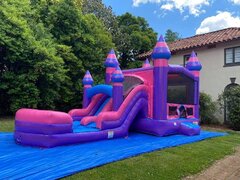
Theme matters, too, especially if you’re coordinating with decor. Companies offer themed bounce house rentals and slides that match everything from pirate coves to tropical islands. Combo bounce house rentals incorporate a smaller slide, climbing wall, and jumping area in one unit, which works well for younger kids who want to rotate activities without leaving the inflatable.
For toddlers, ask about toddler bounce house rentals and toddler slides. The entry points are closer to the ground, mesh walls are higher, and splash zones are shallow. I’ve seen too many parties where well-meaning hosts let the little ones try the big slide during a quiet hour, only to wind up with tears. Better to set a clear divide and give them their own age-appropriate fun.
Measuring Your Space Without Guesswork
Every reputable provider will list dimensions, including length, width, and height. Don’t eyeball it. Measure the setup area and add five feet of clearance on each side for anchors, blower space, and safe landing zones. Overhead clearance matters. If your tallest tree branch sits at 18 feet, that 19-foot slide becomes wishful thinking. Power is the next constraint. Most inflatables use one 1.0 to 1.5 horsepower blower that draws around 8 to 12 amps. Taller slides may require two blowers on separate circuits. Map your outlets and test them. If you plan to run a snow cone machine and a bounce house rental on the same circuit as your water slide, you will trip a breaker the moment you start shaving ice.
Hose access is non-negotiable. A slide needs a steady water flow, usually through a standard garden hose connected to a misting line at the top. Expect 2 to 5 gallons per minute, and plan for a few hours of run time. If you live where water restrictions are common, discuss recirculating options with the rental company. Some units use small pumps to reuse water from the splash pool, though it still needs periodic refresh for cleanliness.
Safety Without the Stress
Safety doesn’t kill the fun. It lets it run all day without a hiccup. Good operators treat setup like a checklist: staked tie-downs, filled sandbags on hard surfaces, secured blower intakes, and grounded electrical connections. Ask to see state or local inspections if your area regulates inflatables. In some regions, event entertainment rentals must show annual certifications for commercial-grade inflatables.
As the host, you control crowd flow and rules. Shoes off. No flips. One rider per lane unless it’s a dual-lane unit designed for two at a time. If your guest list skews younger, assign an adult spotter at the ladder and another at the bottom. Most incidents happen when excited kids bunch up in the landing zone. Clear the landing area before the next rider goes. If thunder rumbles, shut it down, unplug the blower, and wait. A quick restart after a storm beats the risk of wind catching a wet slide.
Think about surfaces. Placing a slide directly on concrete is not ideal unless the company adds protective ground tarps and foam mats. On grass, check for irrigation heads and shallow sprinkler lines. If you’ve got false turf, you’ll need to limit anchor stakes and rely on weight, so choose a unit designed for that setup.
The Case for Combining Attractions
A single water slide can carry a party. But mixing activities lets you manage different ages and energy levels, especially for larger groups. I like to pair a tall dual-lane slide with an inflatable obstacle course off to the side. Obstacle courses keep older kids busy in between slide runs, and they reduce line buildup at the water. For indoor venues or weather gambles, indoor bounce house rentals offer a backup plan. I’ve seen backyard hosts book a small indoor unit for a garage as a rain contingency, even with a water slide on the main lawn. It isn’t overkill if it prevents a total washout.
Combo bounce house rentals shine for birthdays with mixed ages. A combo gives younger kids safe climbing and sliding while the water slide handles the taller daredevils. If you’re planning a themed party, themed bounce house rentals keep your decor consistent. Pirates, jungle, carnival, princess, superhero, ocean, and dinosaur themes are common, and you can tie the water slide to the same color palette with banners and flags.
Budgeting Honestly
Prices vary by region, weekend date, and season. In hot summers, water slide rentals book early and cost more. As a rough guide, mid-size single-lane slides might run 250 to 450 per day. Taller dual-lane units often run 450 to 800, sometimes more around holidays. Delivery, setup, and pickup are usually included within a local radius. Add-ons like generators, extra hoses, and overnight rentals may add 50 to 150.
Package deals make sense if you need more than one unit. Many party equipment rentals companies bundle water slides with generators, tables, chairs, and a second attraction like inflatable bounce castles or inflatable obstacle courses at a reduced rate. Ask about weekday discounts if your event is a camp, community program, or corporate team day that doesn’t need a Saturday slot.
Hidden costs show up around water use, power supply, and yard repair. If you’re on a well, consider the strain on the pump. If your yard slopes, expect water to pool in one corner and plan for a day of drying out before mowing. Responsible vendors can provide ground covers to reduce muddy patches, but heavy traffic will still leave footprints in soft soil.
Rental Company Red Flags and Green Lights
I’ve walked away from operators who showed up late, rushed a setup, and skipped basic safety checks. You can avoid that headache by asking a few targeted questions beforehand. Do they use commercial-grade inflatables with clear manufacturer tags? Are the blowers and cords rated for outdoor use? How do they sanitize units between rentals? You want to hear specific products and processes, not generalities.
Green lights include flexible scheduling, clear contracts, transparent weather policies, and responsive communication. If the company offers to site-check your space via a quick video call, take them up on it. That chat often prevents the dreaded driveway surprise where the unit doesn’t fit. Companies that specialize in kids party rentals usually have staff who can advise on crowd management and age-appropriate options.
Weather Strategy and Rescheduling
The forecast will toy with your nerves. Build a plan with your provider for wind and storms. Most operators pause at sustained winds over 15 to 20 miles per hour, and they will not set up in lightning. Rain is workable, since riders are already wet, but heavy rain can reduce visibility on stairs and ladders. Keep a stack of towels near the slide for hand drying before climbs. If your date looks risky, discuss rescheduling policies at least 48 hours in advance. Many companies allow a credit toward a future date if weather cancels the setup. The key is early communication, not a frantic text an hour before delivery.
Cleanliness: What You Should Expect
Inflatables collect grass, sunscreen, and snack residue. A professional rental outfit should clean and disinfect between events with products safe for vinyl and for kids’ skin. Don’t be shy about asking how they do it. At delivery, do a quick walkthrough. Look for clean seams and no sticky spots on the landing area. If dirt remains from a previous setup, request a wipe-down before use. This is your event and your guests. It’s reasonable to expect a spotless slide and properly cleaned bounce house rental.
Under-the-Radar Logistics That Matter
Parking and access often get overlooked. A large slide, rolled and bagged, still weighs a couple hundred pounds and rides on a hand truck. Is there a clear path from the street to your yard? Tight side yard gates under 36 inches can block access for premium units. If your only path includes stairs, warn the vendor. They may refuse the job or suggest a smaller model to avoid injury and damage.
Drainage after the event is your responsibility. Slides with splash pools hold a surprising amount of water. Ask the crew to drain in a direction that won’t flood your flower beds or seep under a deck. If you have neighbors downhill, be courteous and control the flow with hoses directed to a safe area.
For evening parties, lighting matters. Add inexpensive string lights or portable LEDs so kids can see the steps and handholds after sunset. Pools and landing pads reflect light unevenly, so avoid strobing or overly bright spotlights that create glare. You want consistent visibility without blinding riders.
A Sample Game Plan for a Backyard Birthday
Let’s say you’re hosting a 7-year-old’s birthday with 20 kids and 25 adults in mid-July. The yard is medium-sized with a flat patch of grass, two nearby outlets, and a hose spigot on the back wall. Aim for a 15 to 17-foot single-lane water slide with a splash pool and a small combo bounce house set off to the side. The combo keeps the littlest kids active while the water slide takes center stage. Ask for delivery at 9 a.m. for an 11 a.m. party start, so you can test everything, set rules, and label a “no shoes” zone.
Set up a hydration station next to the towels and sunscreen. Use small bins for shoes, and lay down a path of rubber mats or towels from the grass to the slide to cut down on mud. Appoint an adult rotation for spotter duty, 20 minutes each. Keep food well away from the slide to avoid slippery hands on ladder rungs. Save the cake for later, after everyone has burned off energy. Wrap up water play by 2 p.m., switch to the combo and yard games, and let the rental crew handle the teardown while you focus on goodbyes.
For Larger Events and Corporate Picnics
Scale changes dynamics. For crowd sizes over 60, a single slide can’t handle peak demand without long lines. A dual-lane slide helps, but you also need alternative attractions. Inflatable obstacle courses are throughput champions. A 30 to 60-foot course can push 150 to 200 participants per hour with staff guiding the start and finish. Combine that with a medium-height water slide and a dry area of shade tents, cornhole, and a toddler zone. If your venue is a park, confirm electrical access. You may need a generator sized for the blowers, typically 4000 to 7000 watts depending on how many units you’re running.
For brand-forward events, coordinate colors and banners. Many inflatable rentals companies can add event signage to the fencing or the base of the slides. Keep your emergency plan discreet but ready. A small first-aid kit, extra towels, ice, and clear walkways go a long way toward smooth operations.
Matching Inflatable Types to Age and Comfort Level
Kids don’t arrive with identical thrill thresholds. Some sprint https://www.allfunbouncinginflatables.com/category/bounce-houses-with-slides/ to the top, some pause at the first rung. Offer choices that gently nudge, not push. Younger kids often start on short slides, then graduate mid-party to something taller as they watch older siblings. Teens tend to prefer bigger drops and racing lanes. Adults surprise themselves once someone breaks the ice. It’s not unusual to see a parent vs. child showdown, complete with timed runs and splash height contests.
If you’re worried about roughhousing, choose designs with high side walls and deep landing zones. Units with front-facing climbs allow easier supervision than models that hide the ladder behind the slide. For mixed groups, limit dual-lane races to similar heights, then open the field at the end for fun runs.
Insurance and Permits
Not glamorous, but necessary. Confirm that your rental company carries liability insurance that covers setup and operation at private residences and public venues. If you’re hosting at a park or community center, you may need to list the venue as an additional insured. Permits are occasionally required for large inflatables in public spaces, especially if staking into the ground. If anchoring is prohibited, make sure the company has adequate ballast to meet safety specs.
As the host, your homeowner’s policy likely won’t cover incidents related to commercial equipment. That’s why working with a reputable provider matters. Ask for a certificate of insurance before you pay the deposit.
Indoor Options When Weather Wins
When storms roll in or winter lingers, indoor bounce house rentals step up. You won’t bring a full water slide into a gym, but you can simulate energy with dry slides, obstacle courses, and inflatable bounce castles. Keep ceiling height in mind, and measure width between doorways. Indoor setups eliminate wind risk, simplify supervision, and reduce cleanup. For a summer birthday with a rain-prone forecast, I’ve booked a tentative indoor slot at a community center and kept the water slide on hold. If the week-of forecast firmed up, we pivoted. It’s not always possible, yet it saves the day when it is.
Smart Add-Ons That Make a Difference
Not every upgrade pays off. Some do. Non-slip mats at the base areas reduce mud and improve safety. A small pop-up tent by the ladder keeps the line shaded and the steps cooler. Plenty of towels, a stack of labeled water bottles, and a designated sunscreen station keep everything moving. If you’re running multiple attractions, simple signage helps: “Water slide line starts here,” “Shoes go here,” and “Wait for the landing to clear.”
If you have room, a dry activity like a craft table or giant Jenga balances the water frenzy. It gives overheated kids a way to reset and keeps them from melting down over minor delays.
A Simple Checklist for a Smooth Water Slide Day
- Measure your space, including overhead clearance, and confirm power and hose access. Choose the right slide height and lane count based on age range and guest count. Confirm safety practices, cleaning procedures, insurance, and weather policies with the vendor. Plan supervision shifts, shoe storage, towels, sunscreen, and a hydration station. Map drainage, lighting for evening, and a backup plan if weather turns.
Common Mistakes I See, and How to Avoid Them
The biggest mistake is treating a water slide like a set-and-forget feature. Without light supervision and basic rules, small issues compound. Overcrowding the ladder leads to bumps. Running food and drinks near the slide means sticky hands on slick rungs. Skipping the power plan leads to tripped breakers and awkward pauses.
Another recurring problem is squeezing a big slide into a small space. The unit technically fits, but you lose safe egress and landing room. Give it breathing space. If you don’t have it, scale down the slide and add another attraction to keep the fun level high.
Finally, hosts forget how fast time passes. Delivery runs late, and suddenly the party is half done when the first rider splashes down. Book early morning setup when possible, and always have a Plan B activity while the crew finishes anchoring and testing.
Where Bounce Houses Still Shine
Water slides earn the spotlight in hot months, but dry attractions carry the rest of the calendar. Inflatable bounce castles are crowd-pleasers for school functions and winter birthdays. For themed events, themed bounce house rentals tie everything together visually. Combo units lengthen attention spans because kids bounce, climb, and slide without queueing for a single feature. If your yard is small or if water is impractical, these still deliver plenty of wow.
Even at a water-focused party, a dry secondary zone helps younger kids who tire easily. Indoor bounce house rentals cover rainy-day needs and allow you to keep the date instead of rescheduling. Party inflatables work best as a curated mix, not a jumble. Choose a star attraction, then add one or two supporting options that match your space and guest list.
Working With the Right Provider
The best rental companies act like partners, not just vendors. They ask about your space, age range, and timing, then steer you to the right unit rather than the most expensive. They show up on time, clean and secure the setup, and walk you through operating tips. If they’re truly seasoned, they’ll share small fixes that make a huge difference, like angling the slide so afternoon shade covers the ladder or placing the generator downwind so exhaust doesn’t drift toward the picnic area.
If you’re deciding between two companies with similar prices, choose the one that communicates clearly and doesn’t dodge your questions. That responsiveness is the same trait that matters when weather changes or when you need a mid-party tweak.
Final Thoughts From the Field
A great water slide rental looks effortless from the outside. That illusion is built on a handful of smart decisions: the right size for the yard, a schedule that leaves room for testing, power that won’t trip, and a short list of rules that everyone understands. When those basics are in place, the day fills itself. Kids laugh, lines flow, the slide runs quietly in the background, and the host actually gets to enjoy the party.
Whether you go all-in with a towering dual-lane racer or keep it chill with a compact splash slide, you’re investing in movement, relief from the heat, and a focal point that gives your event a heartbeat. Pair it with thoughtful extras from party equipment rentals, like shade, seating, and maybe a simple obstacle run, and you’ve got the makings of a day people will talk about long after the towels are dry.